
In strata communities, one of the most common – and often misunderstood – questions is whether an issue falls under maintenance responsibilities or insurance coverage. When damage occurs in a building, committees and lot owners are often unsure who is responsible for repairs, how a claim should be handled, or whether insurance will respond at all.
Understanding the distinction between maintenance obligations and insurable events is critical for protecting your building, managing financial risk, and ensuring claims are processed efficiently when they arise.
For committees and owners corporations, clarity around this topic can help avoid disputes, prevent claim rejections, and support better long-term building management.
What Does Strata Insurance Cover?
Strata insurance is designed to protect shared property within a body corporate scheme. It typically covers the physical building and common areas, as well as liability for incidents occurring on the property.
Common inclusions in strata insurance policies include:
- The building structure and shared infrastructure
- Balconies and exterior areas
- Roofs and external walls
- Shared amenities such as pools, gyms and BBQ areas
- Gardens and landscaped areas
- Lifts, garages and intercom systems
- Public liability for incidents occurring on common property
- Voluntary workers performing duties for the body corporate
In short, strata insurance is intended to protect the building itself and shared assets used by the community.
However, it is important to understand that not everything inside a lot is covered by the strata policy.
What Strata Insurance Does Not Cover
While strata insurance protects the building, personal belongings and certain internal items within a lot are the responsibility of the individual owner.
Items typically not covered by strata insurance include:
- Furniture and appliances
- Rugs and carpets
- Clothing and jewellery
- Artwork and personal items
- Curtains and internal blinds
- Portable electrical appliances
- Items stored in storage cages
A simple way to think about this is often referred to as the “upside-down test.”

Owners who rent out their property should also consider landlord insurance, which can provide additional protection for risks such as:
- Tenant damage
- Theft
- Rent default
- Legal expenses related to tenancy disputes
Understanding Maintenance Responsibilities
Separate from insurance, bodies corporate have a legal obligation to maintain common property.
This duty applies across Australia and typically requires committees to keep shared areas in good condition, accounting for deterioration caused by:
- Age
- Weather exposure
- Wear and tear
- General use
Examples of maintenance responsibilities commonly include:
- Repainting building exteriors
- Repairing corroded balustrades
- Replacing worn roofing
- Servicing lifts and mechanical infrastructure
- Maintaining drainage systems
- Cleaning and repairing gutters
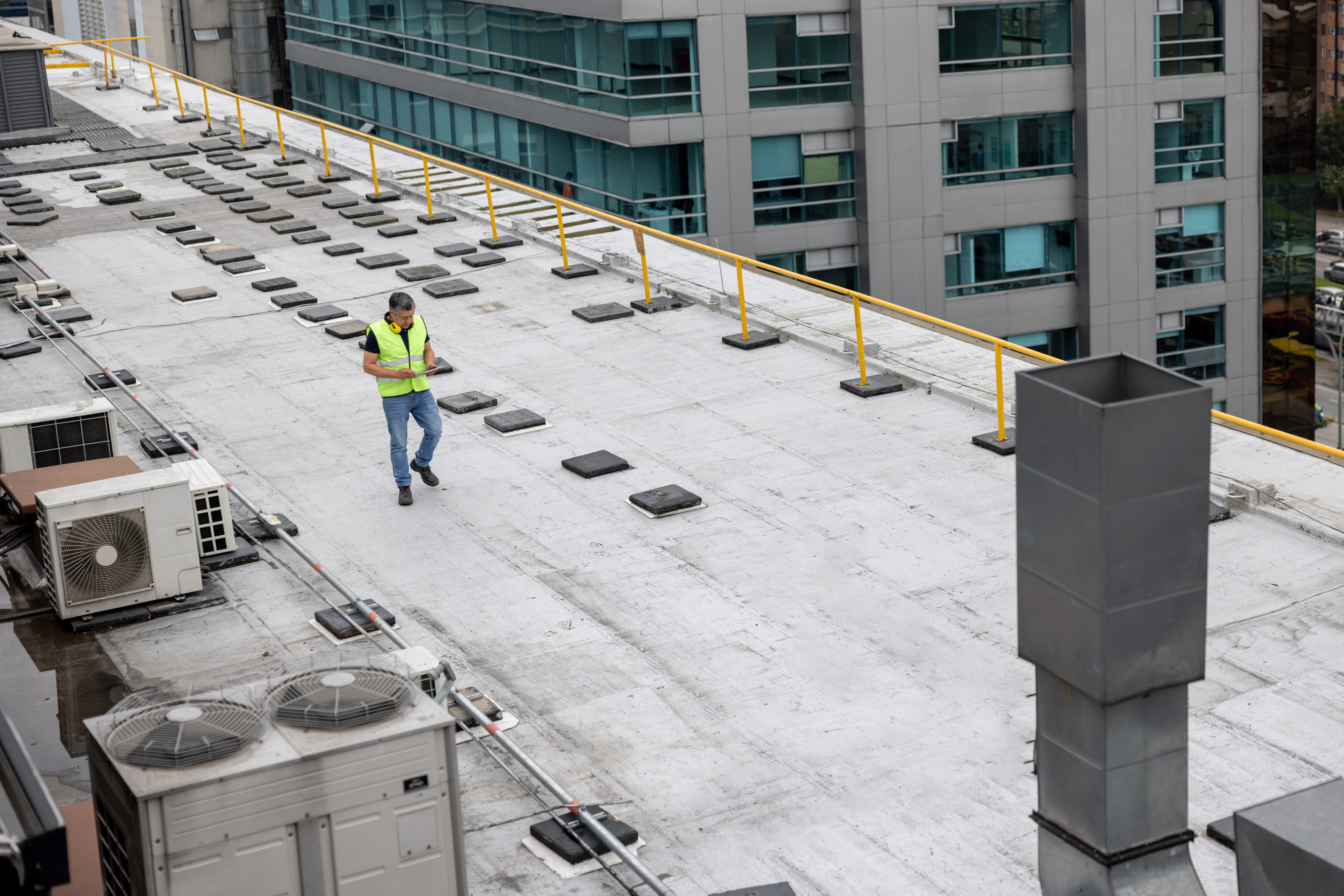
Importantly, financial limitations are not considered a valid reason to avoid maintenance obligations. Even if budgets are tight, committees must still address necessary works — sometimes through mechanisms such as special levies.
Failing to maintain a property can also affect insurance outcomes.
Maintenance vs Insurance: Why the Difference Matters
When an insurance claim is lodged, one of the first questions insurers ask is whether the damage was caused by:
- A sudden, unexpected event (typically insurable), or
- A maintenance issue that should have been addressed earlier.
If damage occurs because the building was not properly maintained, insurers may decline the claim.
For example:
- A storm damages a roof that was already heavily corroded
- Water enters through gutters that had not been cleaned
- A burst pipe occurs due to deteriorated fittings
In these cases, the insurer may determine the damage resulted from lack of maintenance rather than an insured event.
This is why proactive maintenance programs are so important in strata buildings.
Defects vs Maintenance
Another area of confusion is the difference between building defects and maintenance issues.
Defects
Defects typically arise from design, construction or installation problems and often appear relatively early in a building’s life.
Examples include:
- Waterproofing membranes that were never installed
- Incorrect drainage falls causing water pooling
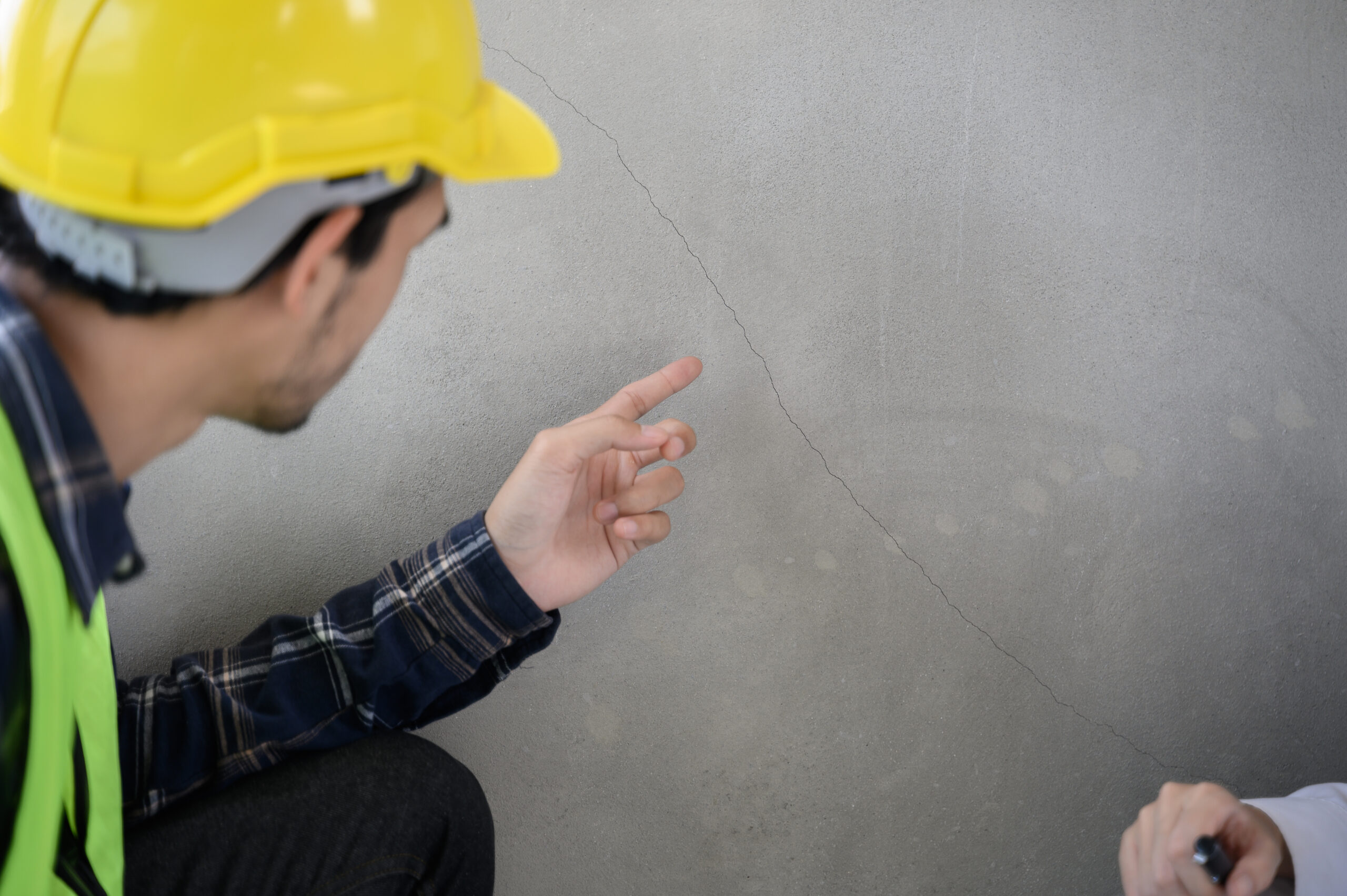
- Structural cracking soon after completion
- Inadequate footings or structural design issues
These issues may require action against builders, developers or contractors.
Maintenance
Maintenance issues occur gradually due to age, use or environmental exposure.
Examples include:
- Deteriorating grout or sealant in bathrooms
- Corrosion developing over time
- Minor façade cracking due to building movement
- Age-related surface deterioration
These are generally considered ongoing maintenance responsibilities rather than insurable events.
How Severe Weather Claims Are Assessed
In Queensland and other areas prone to extreme weather, storms are a common cause of insurance claims.
When a claim is submitted following a severe weather event, insurers typically assess:
- Whether maintenance had been completed
- The cause of the damage
- The extent of the damage
- The estimated repair costs
If maintenance has been properly managed and the damage was caused by a sudden weather event, claims are usually processed relatively quickly.
However, larger or more complex claims — particularly those involving structural damage or temporary accommodation — may take longer to resolve.
Best Practices for Strata Maintenance
To meet their legal obligations and reduce risk, committees should take a proactive approach to building maintenance.
Best practices include:
- Conducting regular building inspections
- Obtaining specialist reports (roofing, structural, electrical etc.)
- Acting promptly on identified issues
- Maintaining records of repairs and inspections
- Communicating maintenance obligations to owners
- Providing documentation to insurers when required
Early detection and prompt action can help prevent minor issues from escalating into costly repairs or rejected claims.
Defect Reports and Insurance Conditions
If a building inspection identifies defects, it is important for the committee to act quickly.
Common steps include:
- Engaging a qualified engineer to produce a defect report
- Notifying the insurer of identified risks
- Seeking rectification from the builder or developer
- Considering regulatory or warranty claims if necessary
- Developing a remediation plan
Insurers often place conditions on policy renewals when defects remain unresolved.
These conditions may require:
- Engineering reports
- Repair plans and timelines
- Evidence of remediation works
If these conditions are not met, insurers may:
- Increase premiums
- Apply higher excesses
- Restrict coverage
- Decline renewal entirely
This is another reason why prompt action on defects is critical.
The Strata Insurance Claims Process
When damage occurs, the typical claims process involves several steps:
- The lot owner reports the issue to the strata manager
- The manager gathers information about what happened and when
- Photos, videos and documentation are submitted to the insurer
- An assessor or loss adjuster may inspect the damage
- The insurer determines the cause and scope of repairs
- Builders or contractors are appointed to complete works
For large or complex claims, insurers may appoint loss adjusters — independent specialists who investigate the damage and report their findings.
Throughout the process, communication between the owner, strata manager, insurer and broker helps ensure the claim progresses efficiently.
Frequently Asked Scenario: Solar Panels
Solar installations are becoming increasingly common in strata communities.
In apartment buildings, once solar panels are permanently attached to the roof, they typically become part of the building and are covered under the strata insurance policy.
However, committees should notify their insurer after installation so the building’s insured value can be updated accordingly.
Why Maintenance and Insurance Work Together
Maintenance and insurance are closely connected in strata living.
Insurance provides protection against unexpected events, while maintenance ensures buildings remain safe, functional and insurable.
When committees actively manage maintenance and address defects early, they can:
- Reduce the likelihood of major claims
- Improve insurance outcomes
- Protect property values
- Support the long-term sustainability of the building
Understanding the difference between maintenance responsibilities and insurance coverage helps committees make informed decisions and respond confidently when issues arise.
FAQ: Maintenance vs Insurance in Strata
Is water damage always covered by strata insurance?
Not necessarily. If water damage is caused by a sudden event such as a burst pipe or storm, insurance may respond. However, if it results from poor maintenance or gradual deterioration, the claim may be declined.
Who maintains items inside a lot?
In most cases, items inside a lot must be maintained by the lot owner, even if they form part of the building structure.
Can insurers refuse to renew a strata policy?
Yes. If major defects remain unresolved or maintenance issues pose a significant risk, insurers may decline renewal or impose strict conditions.
Should bodies corporate conduct regular inspections?
Absolutely. Routine inspections and engineering reports help identify issues early and demonstrate to insurers that the building is being responsibly managed.
What should committees do if a defect is discovered?
Committees should obtain a professional defect report, notify the insurer, and pursue rectification with the builder or developer where applicable.