
Waterproofing problems don’t just cause inconvenience — they trigger disputes, structural damage and expensive repeat repairs across entire strata communities. From 2025, updates to Australia’s National Construction Code (NCC) introduced tougher national standards for how waterproofing must be designed and installed. This is particularly significant for strata communities, where water damage remains one of the most common and costly issues. In fact, more than 50% of lodged residential strata claims relate to water damage, according to CHU 2025 Assess claims data. That statistic alone highlights why regular maintenance and a proactive approach to waterproofing are critical for protecting both common property and individual lots. While the updated NCC standards apply nationwide, they have major implications for existing strata buildings whenever repairs, renovations or maintenance take place — whether in common property areas or inside individual lots. Understanding what’s changing now could be the difference between proactive protection and a very costly surprise later.
Why Waterproofing Is a Big Deal in Strata Living
Water ingress is one of the most common and expensive causes of building defects across Australia. In strata communities, waterproofing failures can lead to:
- Damage to structural elements such as slabs and reinforcement
- Mould growth affecting health and amenity
- Ongoing disputes between lot owners and bodies corporate
- Expensive rectification works that often exceed the cost of doing the job properly the first time
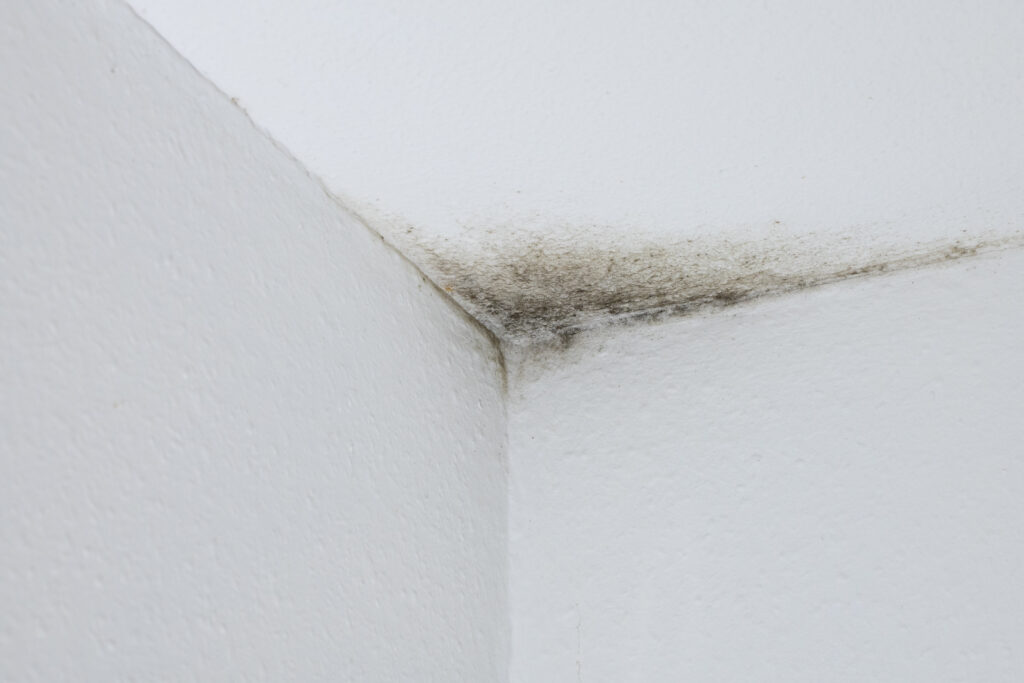
Because water can travel through walls, floors, and ceilings, a problem that starts in one lot or one common area can quickly affect others. That’s why waterproofing isn’t just a “private renovation issue” — it’s a whole-of-building risk.
What Changed in 2025? A National Shift in Waterproofing Standards
The 2025 NCC updates place stronger emphasis on preventing water ingress before it occurs, rather than relying on surface finishes or temporary solutions. While these changes are often discussed in the context of new construction, they also influence how work in existing buildings should be approached.
A Stronger Focus on Water Management
The updated standards reinforce that waterproofing is not just about membranes — it’s about managing where water goes.
This includes:
- Ensuring adequate falls on horizontal surfaces so water drains away
- Preventing ponding on balconies, terraces, rooftops, and wet areas
- Designing waterproofing systems that work with drainage, not against it
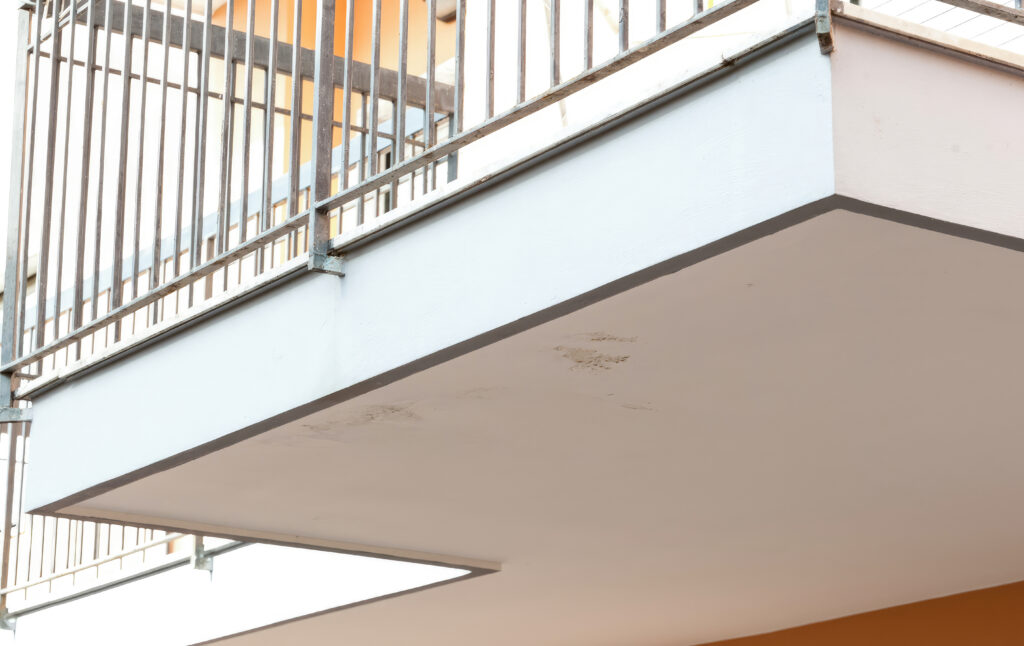
For strata buildings, this is particularly important where balconies, podium decks, rooftops, and shared walkways are exposed to weather.
Waterproofing Must Protect the Structure — Not Just the Surface
One of the key national shifts is a clearer expectation that waterproofing systems protect the structural elements of a building, not just the visible finishes.
In practical terms, this means:
- Waterproofing membranes should be applied to appropriate structural substrates
- Systems should be designed so water cannot become trapped between layers
- Repairs that only address tiles or surface coatings without addressing the underlying waterproofing may no longer be sufficient
For existing strata buildings, this affects how remedial works are scoped and quoted. Committees and owners should be wary of “patch fixes” that don’t address the underlying waterproofing system.
Clearer Expectations Around Licensing and Competency
Nationally, waterproofing is recognised as a specialist trade. The 2025 NCC updates reinforce the expectation that waterproofing work is carried out by appropriately qualified and licensed contractors, in line with state and territory requirements.
For strata communities, this means:
- Waterproofing work in common areas should only be undertaken by licensed trades
- Lot owners carrying out bathroom, laundry, balcony, or wet area renovations should engage qualified waterproofers
- Proper documentation, such as waterproofing certificates or compliance records, should be obtained and retained
Unlicensed or poorly executed waterproofing can expose both owners and bodies corporate to insurance and liability risks.
What This Means for Existing Strata Buildings
Most strata buildings across Australia are not new — they are already lived in, maintained, and occasionally repaired or upgraded. The 2025 changes are particularly relevant when any waterproofing-related work is undertaken, even if the building itself was constructed years ago.
Common Property Works
Common property often includes areas most vulnerable to water ingress, such as:
- Balconies and terraces
- Rooftops and podium decks
- Planter boxes
- External walkways and stairwells
- Basement slabs and car parks
When waterproofing work is required in these areas, bodies corporate should:
- Ensure the scope of works addresses waterproofing at the correct level, not just cosmetic finishes
- Require contractors to demonstrate compliance with current NCC standards
- Retain records of designs, certifications, and warranties
- Seek professional advice where waterproofing interfaces with structural elements
Good documentation can be critical if issues arise years later.
Lot Owner Renovations and Repairs
Waterproofing inside individual lots — particularly in bathrooms, laundries, kitchens, and balconies — is one of the most common sources of disputes in strata buildings.
Even though the work may be within a private lot:
- Water escaping from a lot can damage common property or other lots
- Rectification costs often exceed the original renovation budget
- Insurance claims may be affected if waterproofing was not done correctly
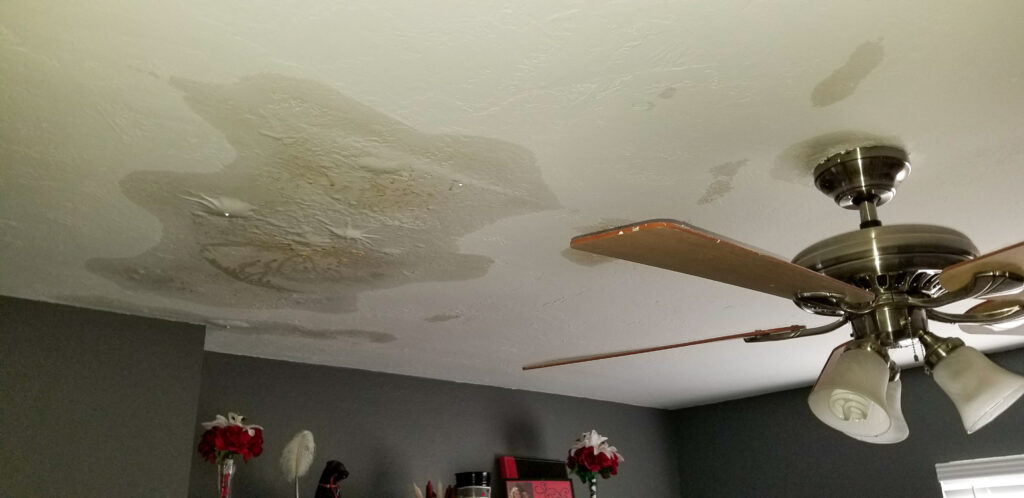
From 2025, expectations around compliance and workmanship are clearer. Lot owners should:
- Use licensed waterproofing contractors
- Obtain waterproofing certificates where required
- Notify the Body Corporate if works may affect common property
- Ensure renovations comply with both building standards and by-laws
Doing this upfront helps protect not only your own property, but your neighbours and the building as a whole.
High-Risk Areas in Existing Strata Buildings
Some areas consistently present waterproofing challenges in older and established buildings:
Balconies and External Terraces
Balconies are exposed to weather and often sit above other lots. Issues commonly arise from:
- Inadequate falls
- Blocked or poorly designed drainage
- Failed membranes beneath tiles
Rectification often requires removing finishes to access the waterproofing system below.
Bathrooms and Wet Areas
Bathrooms remain one of the most frequent sources of water ingress. Updated standards reinforce:
- Minimum waterproofing heights
- Correct detailing around penetrations and junctions
- Proper falls to floor wastes
A cosmetic renovation that doesn’t address waterproofing properly can create significant downstream issues.
Rooftops, Podiums, and Planter Boxes
These areas are particularly complex and require integrated waterproofing and drainage design. In existing buildings, repairs often need careful staging to avoid repeated failures.
Practical Tips for Strata Residents and Committees
To navigate waterproofing works in line with current national expectations:
- Engage qualified, licensed waterproofing professionals
- Ask for compliance documentation, not just invoices
- Avoid short-term patch fixes that don’t address underlying issues
- Involve your strata manager early when works may affect common property
- Keep records — photos, certificates, warranties, and approvals matter
Waterproofing is one area where cutting corners almost always costs more in the long run.
Why These National Changes Are a Positive Step
The intent of the 2025 updates is simple: reduce water ingress, protect buildings, and improve long-term outcomes.
For strata communities, this means:
- Fewer recurring leaks and defects
- Clearer responsibilities for owners, committees, and contractors
- Better protection of property values
- Reduced disputes and insurance complications
In existing buildings, these changes provide a clearer framework for doing work properly — even when the original construction predates current standards.
Waterproofing is not just a construction issue — it’s a strata governance issue, a financial issue, and a liveability issue.
The 2025 national updates reinforce what many strata communities have learned the hard way: waterproofing must be done properly, by qualified professionals, with the structure of the building firmly in mind.
Whether you’re a lot owner planning a renovation or part of a committee overseeing common property works, understanding these expectations will help protect your building, your investment, and your peace of mind.
Unsure how proposed works may impact your strata scheme? Speak with your strata manager early. They’ll help connect you with the right professionals to assist with your waterproofing queries — because informed decisions now can prevent costly issues later.